

Run La Trobe
Road/Path

25 Sep 2026 • 10 minutes read


At a high level, magnesium is a nutrient that supports recovery, sore muscles, cramps and energy. However, we recognise that runners crave more insights, want to understand it’s purpose, and then decide, do they need it themselves?
We asked Sonia Savage, a Functional Nutritionist with a Bachelor of Health Science and Advanced Diploma of Nutrition, to break down what runners should know.
This article is brought to you in partnership with Cocogen, the official hydration partner of RunDais.
Magnesium has become a nutrient you see everywhere once you start running. It is in supplements, recovery drinks, powders and many products marketed to active people. If your legs are sore, someone suggests magnesium. Cramping? Magnesium. Feeling rundown after a big training week? Somehow magnesium enters that chat too! Your mates might be providing these recommendations but aren’t qualified to do so. At RunDais, anything we share is backed by experts in the field.
“Magnesium is a behind the scenes hero for runners. It helps your muscles contract and then relax, it’s involved in making the ATP your body runs on, and it helps keep your electrolytes in balance, which all matter for how you perform and recover.” Sonia Savage, Functional Nutritionist.


“ATP is the energy currency your cells use, so when we talk about the body producing energy for movement, magnesium is involved in that process. It is not a magic performance nutrient. It is simply one of the many things your body needs enough of to function properly.” Sonia.
Running increases fluid loss, particularly as sessions become longer, harder or hotter. Alongside water and other electrolytes, small amounts of magnesium are lost too. Sonia says that is one reason active people should be conscious of their overall magnesium intake.
“Because you lose some magnesium through sweat and urine, active people really do need to keep an eye on their magnesium intake.” Sonia shared.

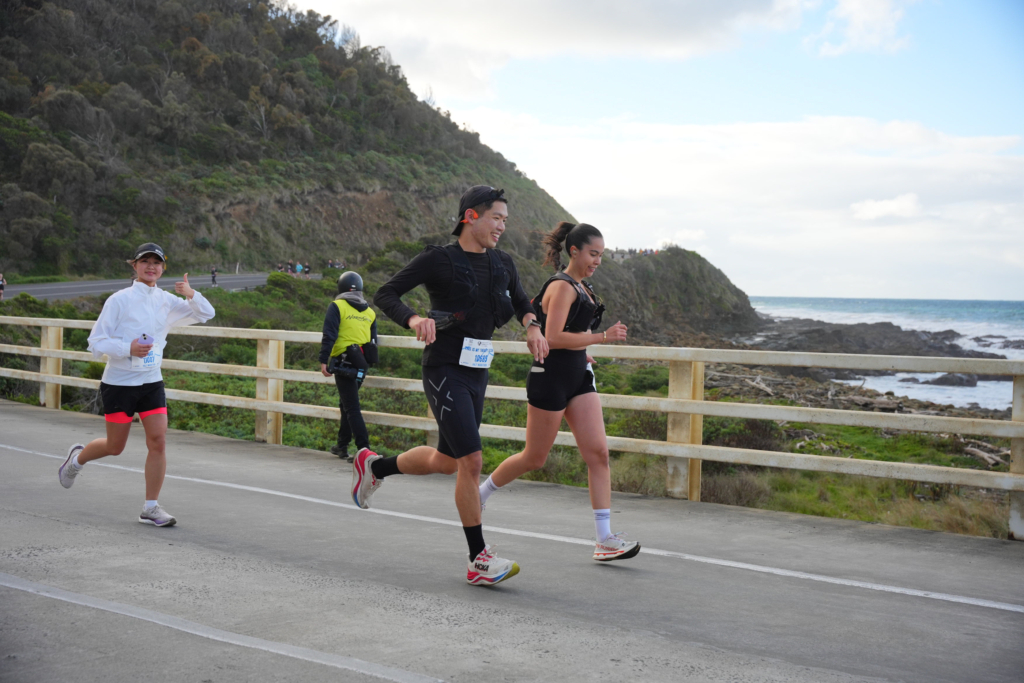

That does not mean every run needs to be followed by a magnesium supplement. For most runners, the more useful question is whether you are consistently getting enough across the day and the week, particularly when your training load increases. It’s important look at the big picture rather than searching for a quick fix.
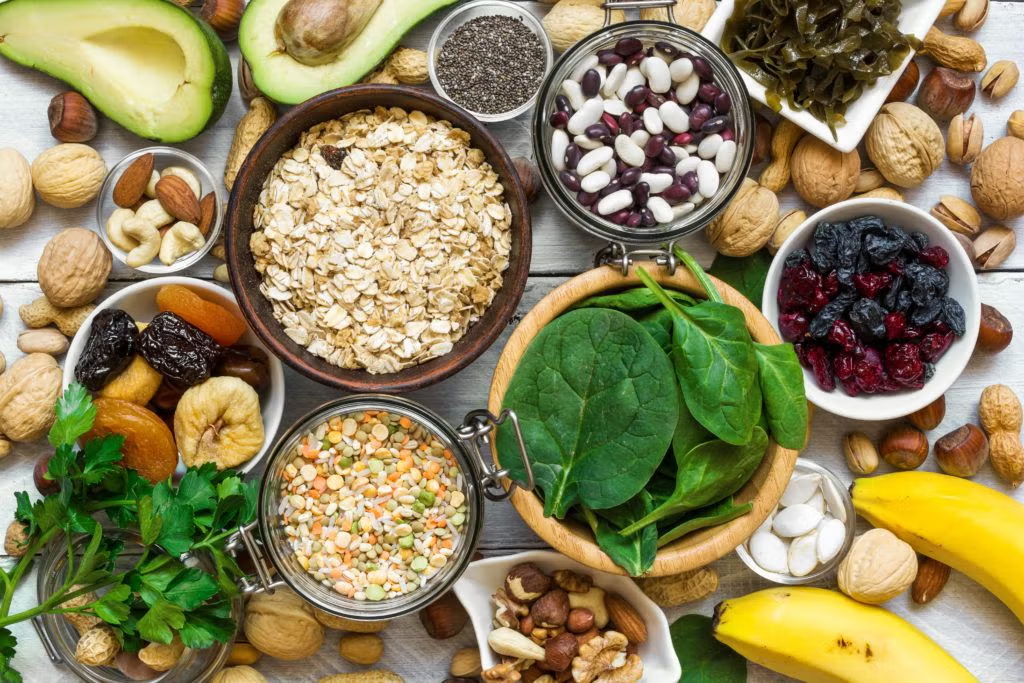
Magnesium naturally occurs in foods including nuts, seeds, legumes, whole grains and leafy greens, which means a varied diet can contribute a significant amount without you needing to think too hard about it. Food sources also include pumpkin seeds, chia seeds, almonds, whole grains, beans and spinach are all useful sources.
Not necessarily, as there is a difference between making sure you are getting enough magnesium and assuming that taking more will automatically improve your running. If your diet is already meeting your needs, additional magnesium is not a shortcut to better performance or faster recovery. If you regularly experience fatigue, cramping or poor recovery, it is worth looking at the bigger picture before pinning everything on one nutrient.
Your overall diet, carbohydrate and protein intake, hydration, sleep, training load and recovery habits all matter too. If you are concerned about a deficiency or think supplementation might be appropriate for you, that is where individual advice from a qualified health professional becomes valuable.
When looking at magnesium products, you may notice that there are different forms. Citrate, glycinate, oxide and several others regularly appear on labels. Understanding the form of magnesium is important, because they differ in how they are used and tolerated by the body.
RunDais Hydration Partner, Cocogen, uses magnesium citrate, something Sonia was pleased to see when reviewing the product.
“I noticed Cocogen is using citrate, which is great.“
That brings us to where a magnesium containing drink can easily fit into a runner’s routine. None of this replaces water when you’re working hard and sweating. But on an ordinary day, staying hydrated is less about forcing down glasses and more about eating well and drinking regularly without any overthinking.
Cocogen Magnesium combines coconut water with added magnesium citrate, giving runners another way to include magnesium alongside their normal diet and hydration. A 500 mL carton contains 116 mg of elemental magnesium. That works out to 58 mg per 250 mL serving. Cocogen says the magnesium it uses is sourced from North Atlantic seawater near Scotland.

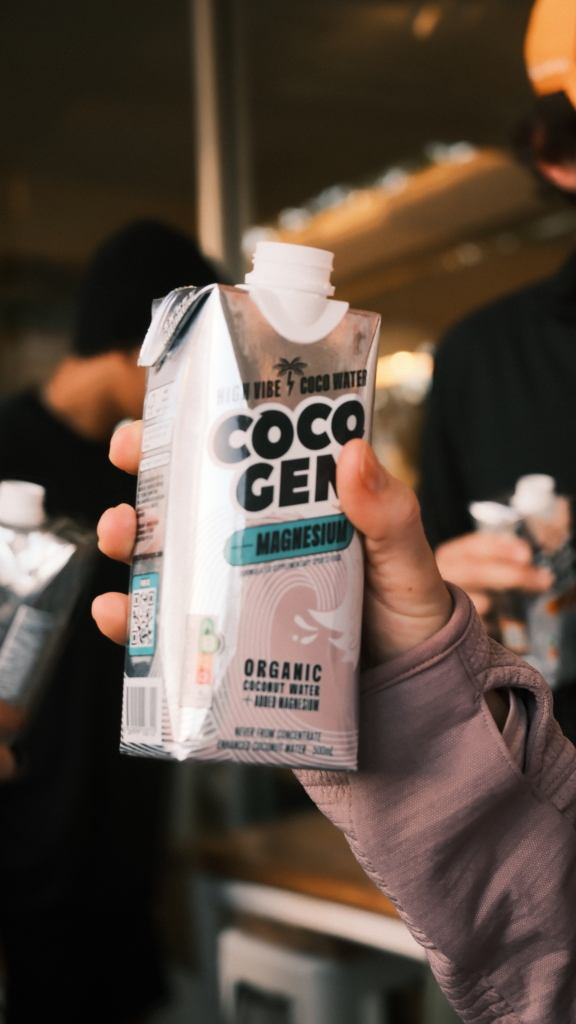
Cocogen is perfect for enjoying after a training session, alongside a meal or snack or even on a hot day when you feel like something beyond plain water. The benefit is that you’re getting fluid from the coconut water, alongside naturally occurring electrolytes and added magnesium.

Magnesium deserves the attention it gets from runners. It supports normal muscle function, plays a role in energy production and forms part of your body’s electrolyte balance. When training regularly, it makes sense to be conscious of whether you are getting enough. However, it does not need to become another running metric to obsess over.
Sonia recommends to start with your diet by eating a good variety of whole foods. Be sure to stay on top of your everyday hydration and build recovery into your training rather than waiting until you feel completely depleted. Then look at products and supplements as additions to that foundation, rather than replacements for it. When it comes to magnesium, the goal is not necessarily more, it is ensuring you’re getting enough.
Sonia Savage is a Functional Nutritionist with a Bachelor of Health Science and Advanced Diploma of Nutrition. Sonia helps clients use practical nutrition strategies to support their health, performance and everyday wellbeing. You can find Sonia on RunDais Experts:
This article was created in partnership with Cocogen, the official hydration partner of RunDais. It contains general information only and is not a substitute for individual nutrition or medical advice. If you are concerned about magnesium deficiency or considering supplementation, speak with an appropriate qualified health professional
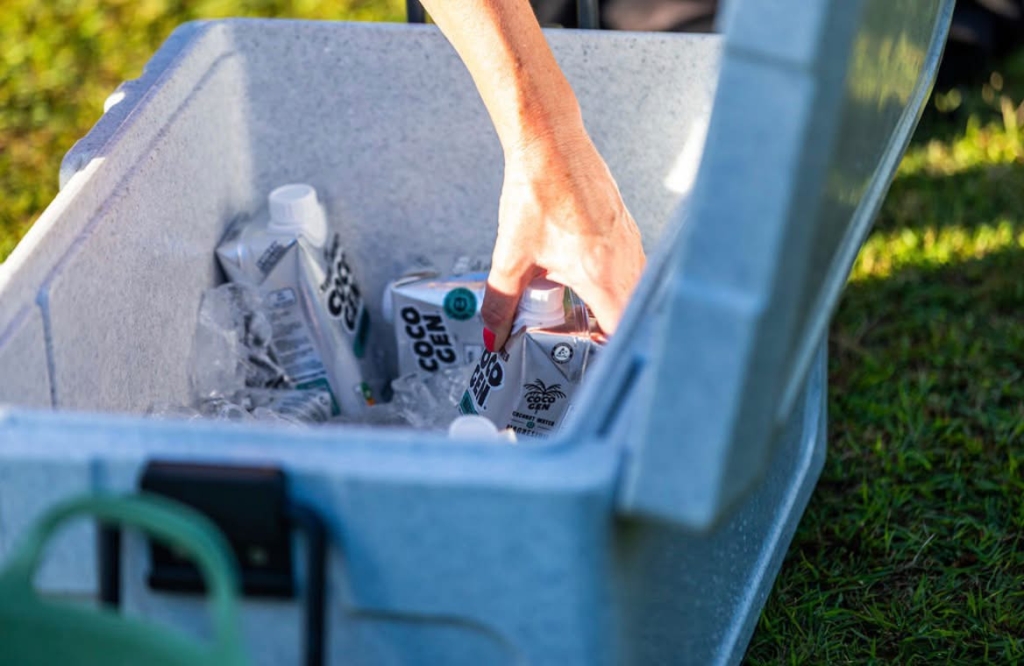
Cocogen can now be found at select Woolworths stores across NSW.
Follow @drinkcocogen on Instagram to see the drink being enjoyed by run clubs across AUS!

Checkout some of these upcoming running events across Australia:



Every event, every review, every club you love. Start your free RunDais account and keep it all in one spot.


