Inverloch Running Festival
Fast and Scenic
Road/Path

Sat 28 Mar 2026

6 Mar 2026 • 15 minutes read
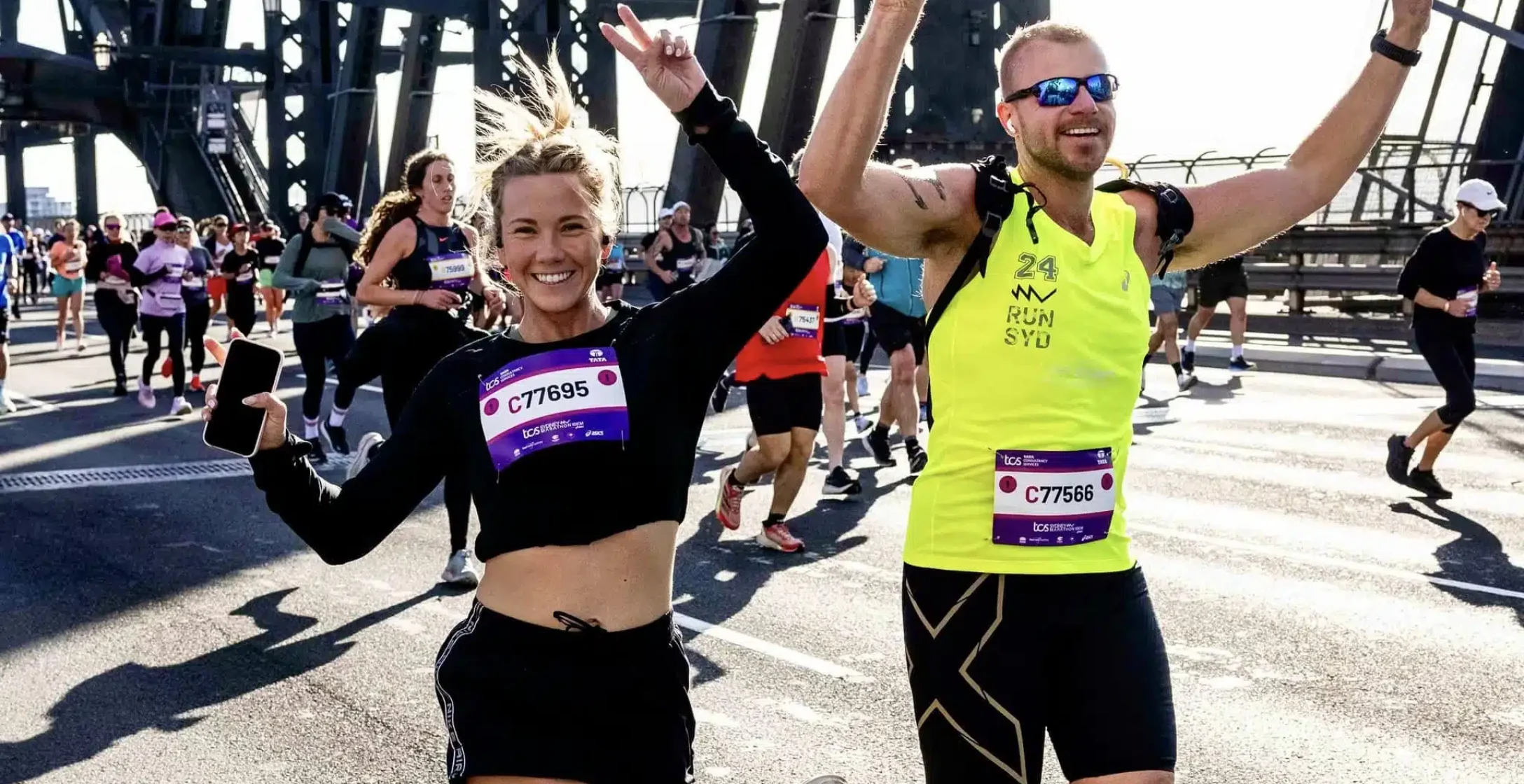
You’ve heard the term World Marathon Majors thrown around at your run club, in a race recap, or scrolled past it on someone’s sweaty finish line photo!
But what does it actually mean? And more importantly, should it be on your radar?
Whether you’ve already ticked one off, you’re mid-training for your first, or you’re simply figuring out what all the fuss is about, here’s your complete guide to the Abbott World Marathon Majors.
A Marathon Major isn’t just a big race. It’s a designation given to a select group of marathons recognised globally as the gold standard of the sport celebrated for their scale, course quality, organisation, elite competitive fields, and deep cultural significance.
Think of them as the Grand Slams of running. Completing one is a milestone. Completing all seven? That earns you one of the most coveted medals in endurance sport!
The official title is the Abbott World Marathon Majors (AbbottWMM) a series that crowns annual champions across elite men’s and women’s categories, while celebrating the hundreds of thousands of everyday runners chasing their own personal finish lines.
The series has traditionally featured six races. But as of November 2024, there are now seven and one of them is right here in our Aussie backyard!
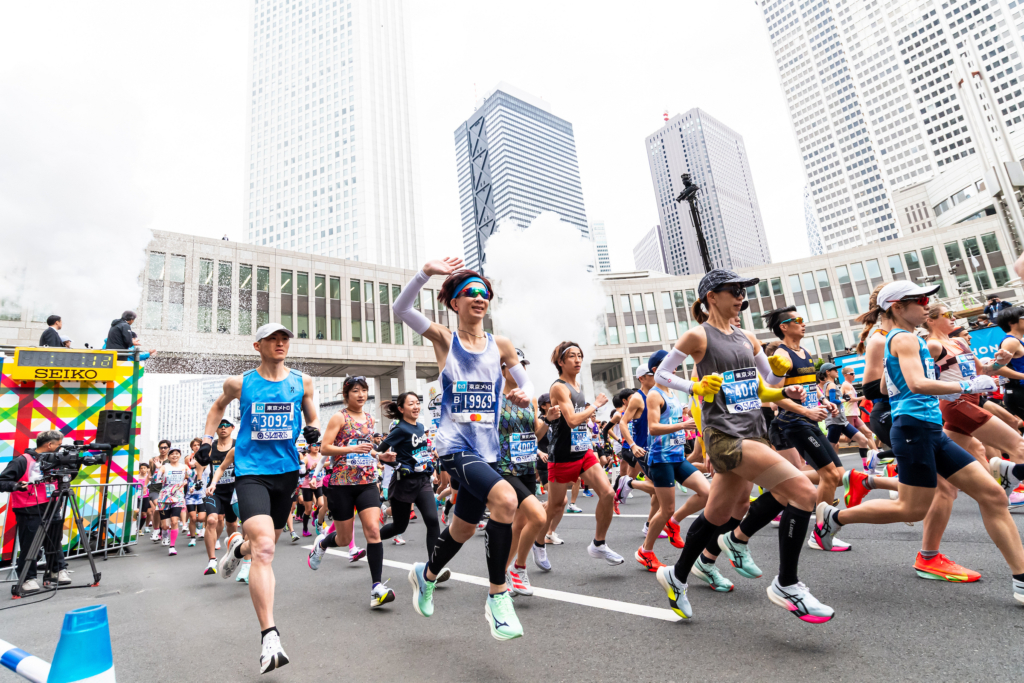
When: First Sunday in March
Largest Field: 35,460 Runners
Crowd Support: 1,000,000 Spectators
Elevation gain: Low a fast, flat course
Weather: Cool and crisp, usually 5–12°C. Generally great running conditions, low humidity.
One of the newer Majors but already one of the most loved! The course winds through iconic Tokyo landmarks, the crowd support is extraordinary, and the organisation is famously flawless. It’s also one of the hardest to get into the ballot, receiving over 300,000 entries for fewer than 36,000 spots. Of all runners chasing their Seven Star medal, Tokyo is the race most are still missing.
Best for: Runners who love racing in a city that truly shows up for its athletes!
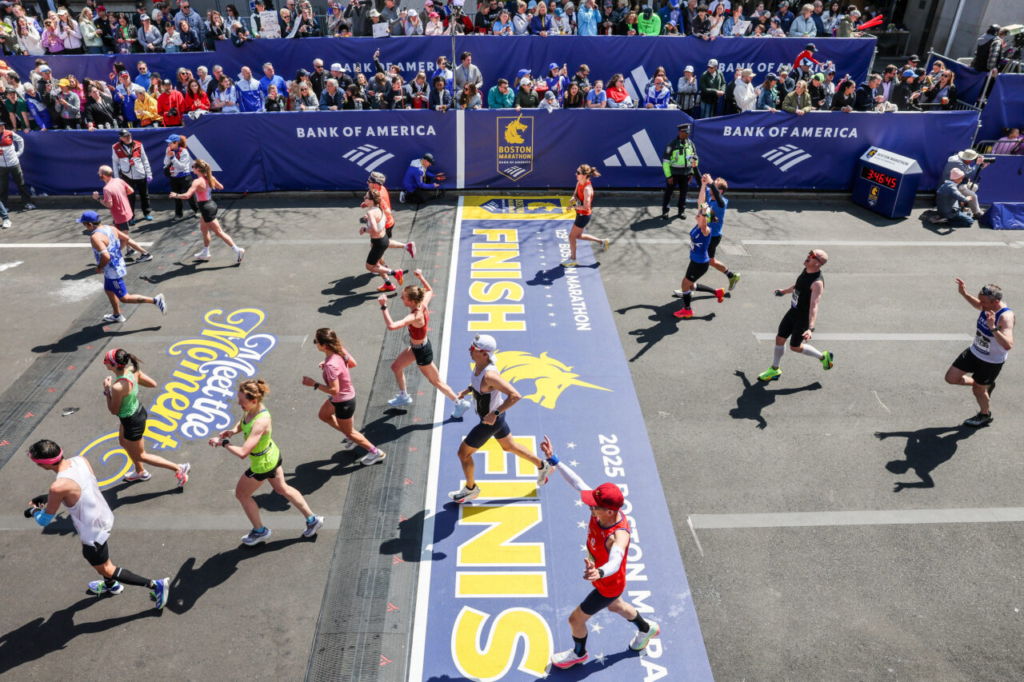
When: Third Monday in April (Patriots’ Day)
Largest Field: 35,868 Runners
Crowd Support: 500,000 Spectators
Elevation gain: 248m rolling hills, including the infamous Heartbreak Hill
Weather: Unpredictable. Can range from cold and rainy to unseasonably warm. Historically anywhere from 5–20°C. The 2012 race hit 27°C and was brutal!
The oldest annual marathon in the world, first run in 1897. Boston is the only Major with a qualifying time standard meaning you have to earn your entry through a previous race result. The qualifying standards are age and gender-graded, and in recent years even hitting your Boston Qualifying Time hasn’t guaranteed entry; the field fills with runners who exceed the standard, so the faster, the better. The Heartbreak Hill stretch is legendary. The finish on Boylston Street? Iconic.
Best for: Experienced runners with a competitive time goal and a deep respect for tradition.
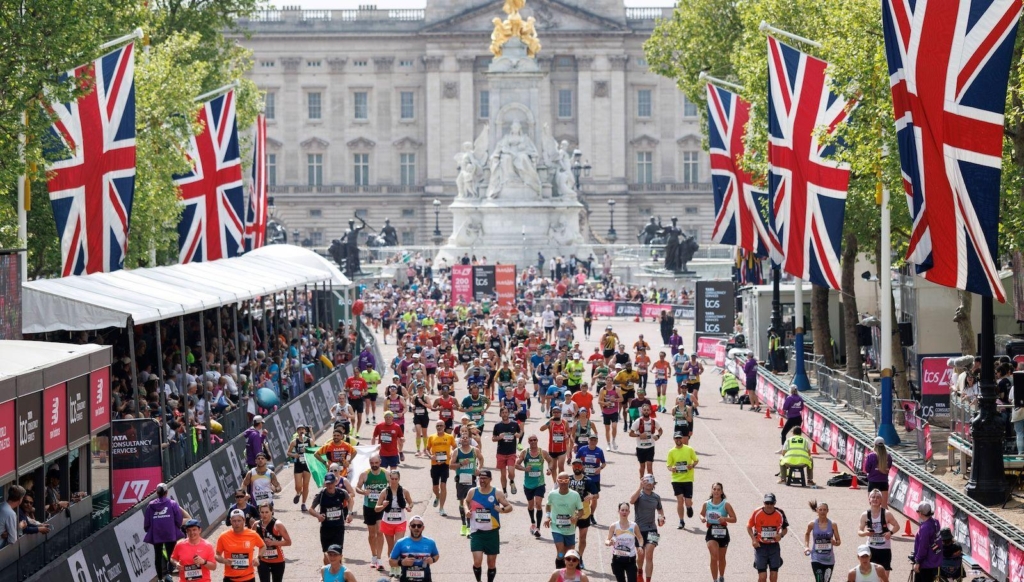
When: Late April
Largest Field: 43,965 Runners
Crowd Support: 750,000 Spectators
Elevation gain: 127m relatively flat
Weather: Cool to mild, typically 8–14°C. Overcast is common, occasional rain. Generally good conditions but can surprise you!
Arguably the world’s most famous charity running event. London combines elite racing at the front with a carnival-like atmosphere throughout the entire course. Tower Bridge, the Cutty Sark, Buckingham Palace and the sightseeing alone is worth the entry. Over one million people entered the ballot for the 2026 race! If you got in, consider yourself very lucky…
Best for: First-time Major runners who want an electric, unforgettable city atmosphere.
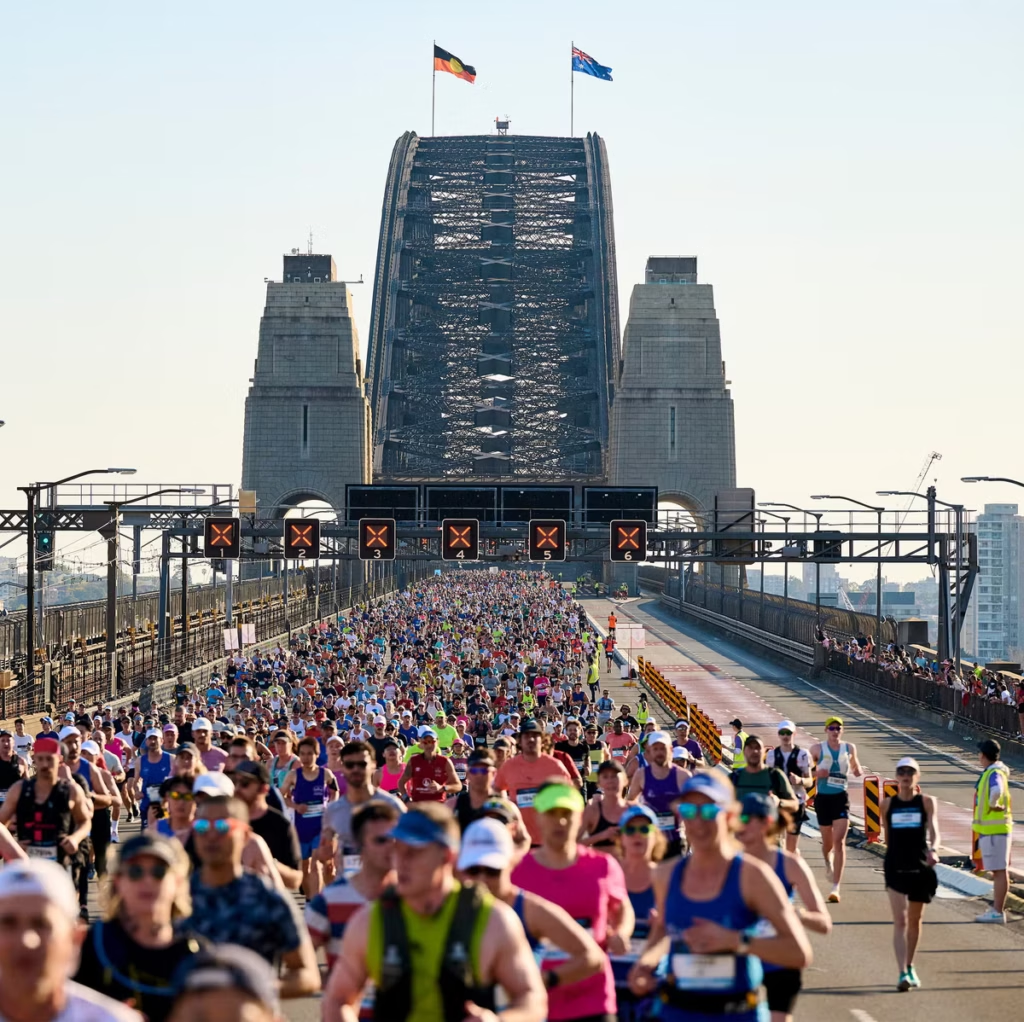
When: Late August
Largest Field: 35,000 Runners
Crowd Support: tbc ~ but we know Aussies are always out in force supporting runners!
Elevation gain: 317m the hilliest Major of them all
Weather: This is Australian winter, so surprisingly ideal. Typically 10–17°C on race morning, low humidity. One of the more reliably comfortable conditions of any Major.
Here’s the one that matters most to us. The Sydney Marathon officially joined the Abbott World Marathon Majors in November 2024, making its debut as a full Major in 2025. It’s now the seventh race in the series and the only Major in the Southern Hemisphere.
The course is a genuine challenge. With 317 metres of elevation gain, Sydney is the hilliest Major on the calendar, more than Boston and New York combined. But the payoff is one of the most visually stunning marathon routes in the world, finishing at the iconic Sydney Opera House with the Harbour Bridge as your backdrop.
It’s already the fastest-growing marathon in the world by ballot entries, with 123,000 people entering the ballot for 2026 alone. Australian and New Zealand runners have a slight edge in the ballot, making this a genuine home advantage worth capitalising on.
Best for: Australian runners chasing their first Major, and anyone wanting to experience something genuinely new in the world of marathon running!
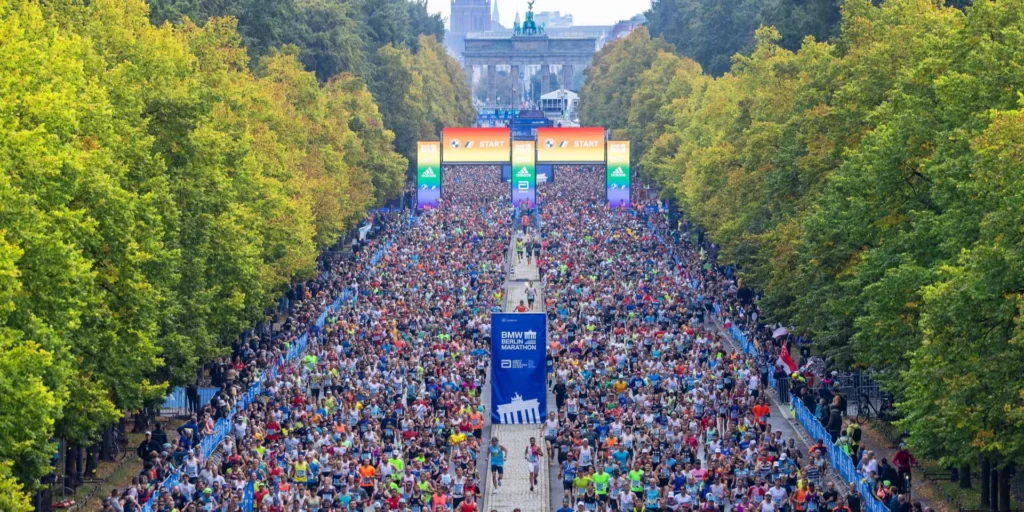
When: Late September
Largest Field: 46,983 Runners
Crowd Support: 1,000,000
Elevation gain: 20–70m the flattest Major in the world
Weather: Often considered the most consistently ideal conditions of all the Majors. Cool and dry, typically 10–15°C. A big reason why so many world records have been set here.
Berlin is the course for chasing fast times. The route is famously flat, and the conditions in late September tend to be close to ideal for performance. This is where Eliud Kipchoge broke the marathon world record in 2018 with 2:01:39, then came back and did it again in 2022 with 2:01:09. If a PB or a Boston qualifier is your goal, Berlin gives you the best chance of any Major to run the race of your life.
Best for: Time-focused runners chasing a PB, a BQ, or simply the most forgiving course on the Major circuit.
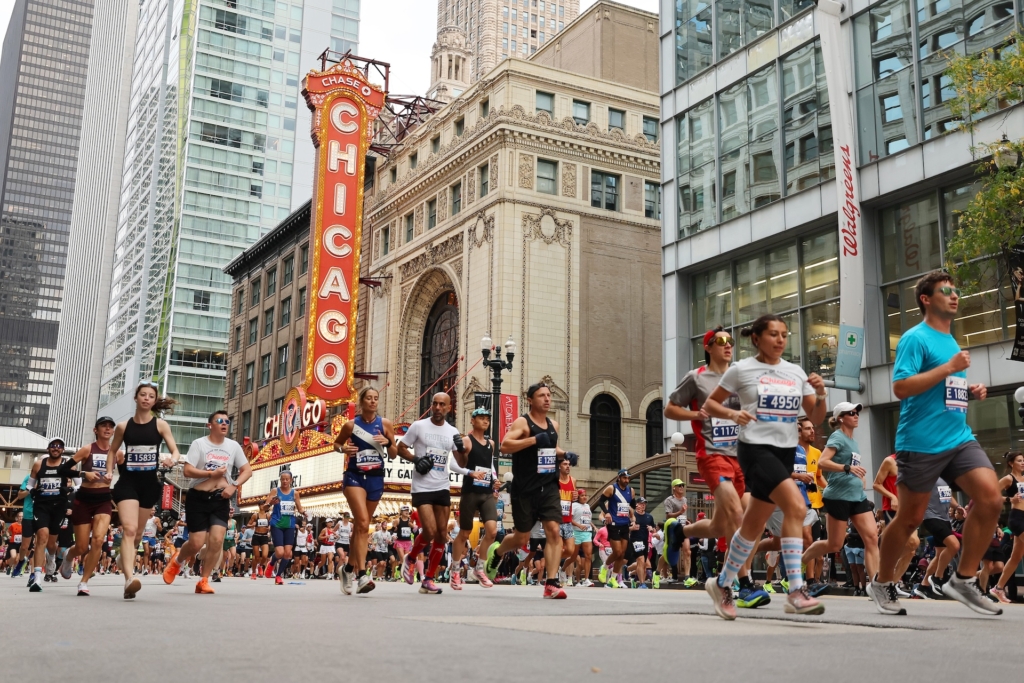
When: Early October
Largest Field: 45,932 Runners
Crowd Support: 1,700,000 (!!!)
Elevation gain: Low one of the flattest North American courses
Weather: Generally cool and calm, around 7–13°C. Can occasionally swing warm or bring wind off Lake Michigan, but usually very runnable.
Known for its relentless crowd support and another fast, flat course. Chicago runs through 29 different city neighbourhoods, giving it a unique energy that shifts block by block. More than 1.7 million spectators line the streets each year. The finish line in Grant Park is a moment that runners describe long after the soreness fades!
Best for: Runners who want fast times and an incredible crowd experience!
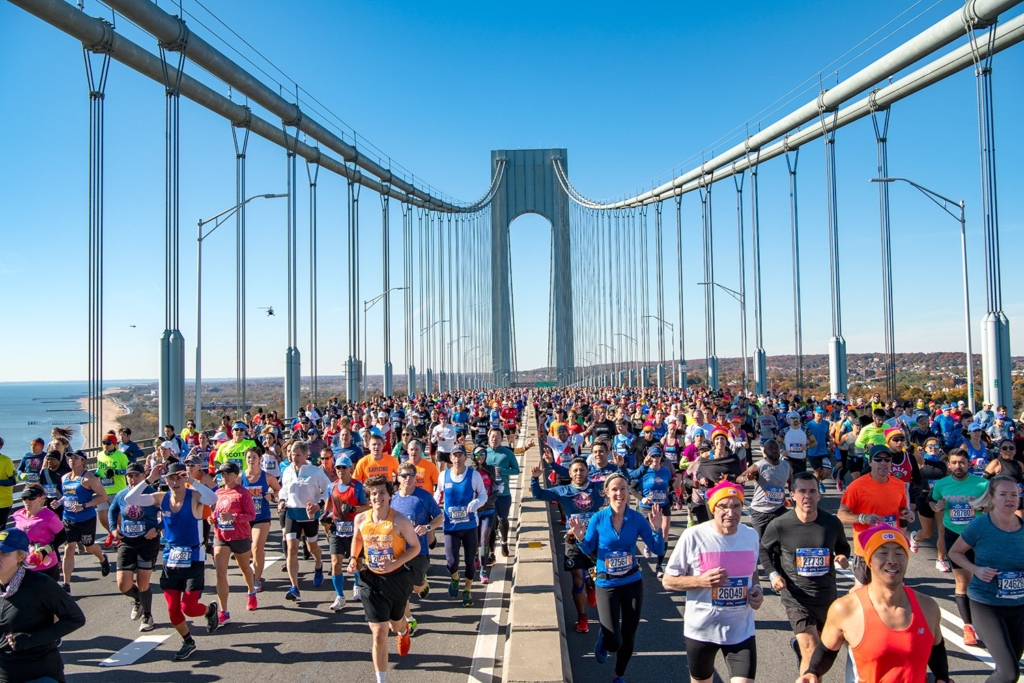
When: First Sunday in November
Largest Field: 53,520 Runners
Crowd Support: 1,000,000
Elevation gain: 246m five bridge crossings and rolling terrain
Weather: Cool to cold, typically 5–12°C. Can be windy, and the five bridge crossings expose you to the elements. Dress in layers you can ditch early.
The largest marathon in the world by finisher count. The NYC Marathon crosses five boroughs Staten Island, Brooklyn, Queens, the Bronx, and Manhattan and the energy when you hit First Avenue in Manhattan is something runners describe as genuinely life-changing. Over one million runners have crossed the finish line in Central Park since the race began in 1970. There’s nothing quite like it!
Best for: Anyone who wants the biggest, loudest, most electric marathon experience on the planet.
| Race | Month | Runners | Elevation | Speedy Course? |
| Tokyo | March | 39,000 | Low | ✅ Yes |
| Boston | April | 30,000 | 248m | ❌ Hilly |
| London | April | 55,000+ | 127m | ✅ Mostly |
| Sydney | August | 35,000 | 317m | ❌ Hilliest |
| Berlin | September | 50,000 | 50m | ✅ Flattest |
| Chicago | October | 55,000 | Low | ✅ Yes |
| New York | November | 60,000 | 246m | ❌ Challenging |
Complete all seven Majors and you’ll be working towards the Seven Star Finisher Medal, one of the most coveted pieces of hardware in the running world. The original Six Star medal (pre-Sydney) is still celebrated, with the series now expanding to recognise Seven Star finishers as Sydney becomes a permanent fixture.
It’s not awarded for speed. It’s awarded for dedication, commitment, and a whole lot of kilometres collected across years, continents, and chapters of life. Some runners complete all seven over two years. Others take twenty. There’s no time limit. Just finish.
Each Major has its own entry system, and none of them are as simple as “register and pay.” The good news? Most Majors offer multiple pathways to the start line, ballot, qualifying time, charity, or tour operator. Here’s a breakdown of every option across all seven races:
Ballot / Lottery Entry
Tokyo, London, Sydney, Berlin, New York, and Chicago all use a ballot or lottery system. You apply during a set window, and a draw determines your spot. Boston is the only Major with no ballot. Odds vary significantly, London’s ballot acceptance rate can be as low as 3–5% in recent years, while Sydney and Berlin tend to be more accessible.
Qualifying Time Entry
For races that offer both a ballot and a qualifying time, such as Sydney, London, Chicago, and New York, a qualifying time typically offers a more reliable, though harder to achieve, route to the start line. Here’s a quick snapshot across all seven:
Charity Entry
Every Major offers charity places, you secure a guaranteed bib in exchange for fundraising a minimum amount for an official partner charity. It’s a meaningful way to get to the start line and give back simultaneously! Minimum commitments typically range from $1,250 (Chicago) up to $15,000+ (Boston).
Tour Operators & Travel Packages
Official travel partners for each Major are allocated guaranteed race entries as part of travel packages. If you’re keen to combine your Major with a full travel experience which, honestly, makes a lot of sense when you’re flying to Tokyo or New York this is a reliable and convenient pathway. Particularly useful for Tokyo, London, and New York where ballot odds are toughest.
Legacy & Streak Entry
A couple of the Majors reward loyalty in unique ways. At Chicago, completing five or more races within the past ten years earns you legacy entry. At New York, running 15 NYC Marathons earns you guaranteed entry for life over 1,500 runners have achieved this!
Entry details, fees, and qualifying standards are updated annually, always check the official race website before applying!
That’s entirely up to you and there’s no wrong answer!
For some runners, a Major is the bucket list goal that gets them out the door every morning. For others, local races and community events are where running comes alive. Both are valid & both matter.
But if you’ve ever watched a finish line video from New York, seen someone cross Tower Bridge in tears, or imagined what it would feel like to finish on the steps of the Sydney Opera House you already know there’s something about these races that goes beyond the distance.
They’re cultural moments, and huge milestones. The kind of experiences that stay with you long after the medal’s been hung on the wall.
And for Australian runners, the timing has never been better. Sydney’s inclusion in the Majors means the most prestigious series in marathon running now has a race we can call our own. That’s a big deal and we think it’s only going to get bigger!
When you’re ready, connect with a RunDais Expert to start building your World Marathon Major training plan, or explore running events in Australia 💚

Get the latest races, coaching tips, and running club updates delivered straight to your inbox.