Inverloch Running Festival
Road/Path


Sat 13 Mar 2027
10 Nov 2026
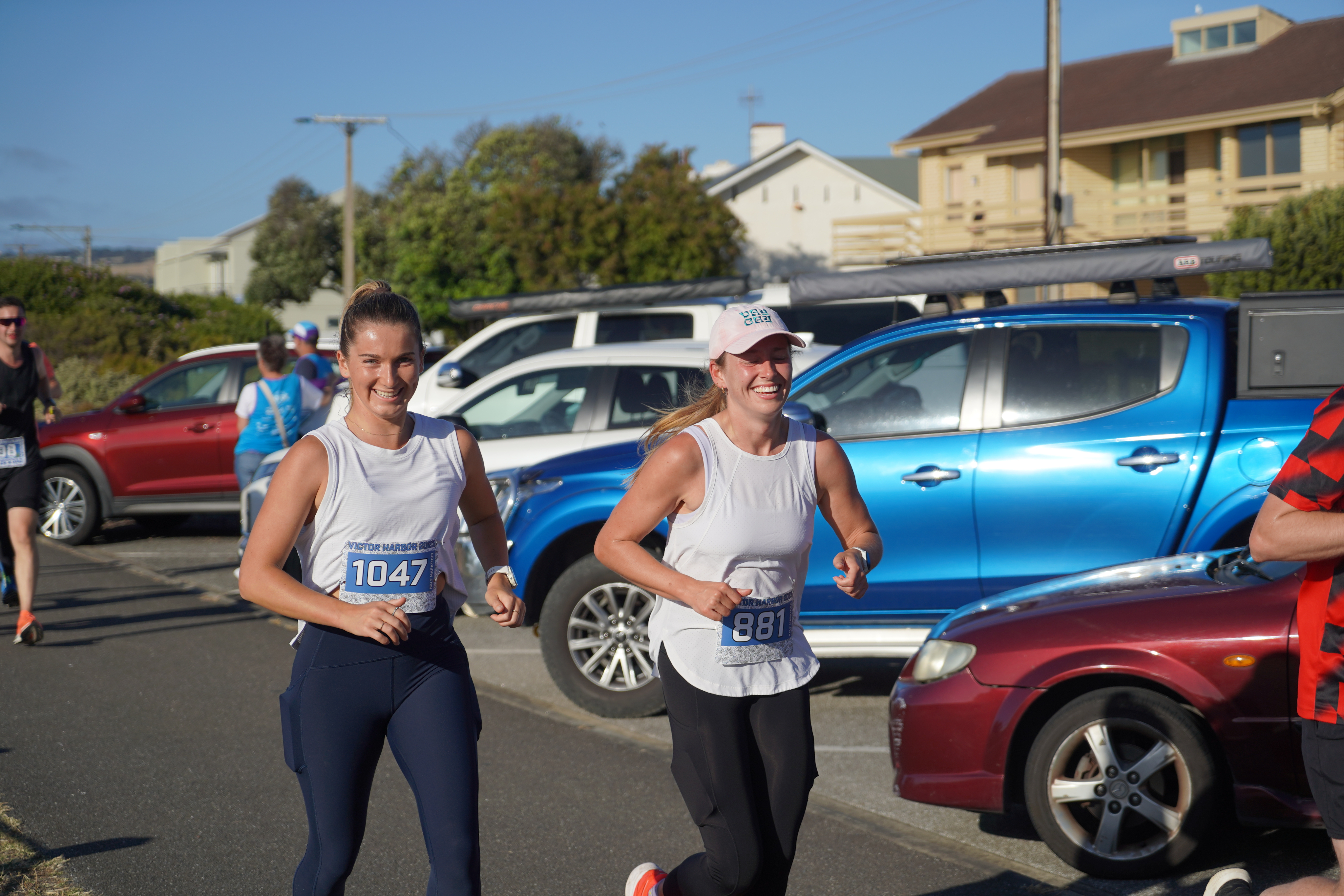
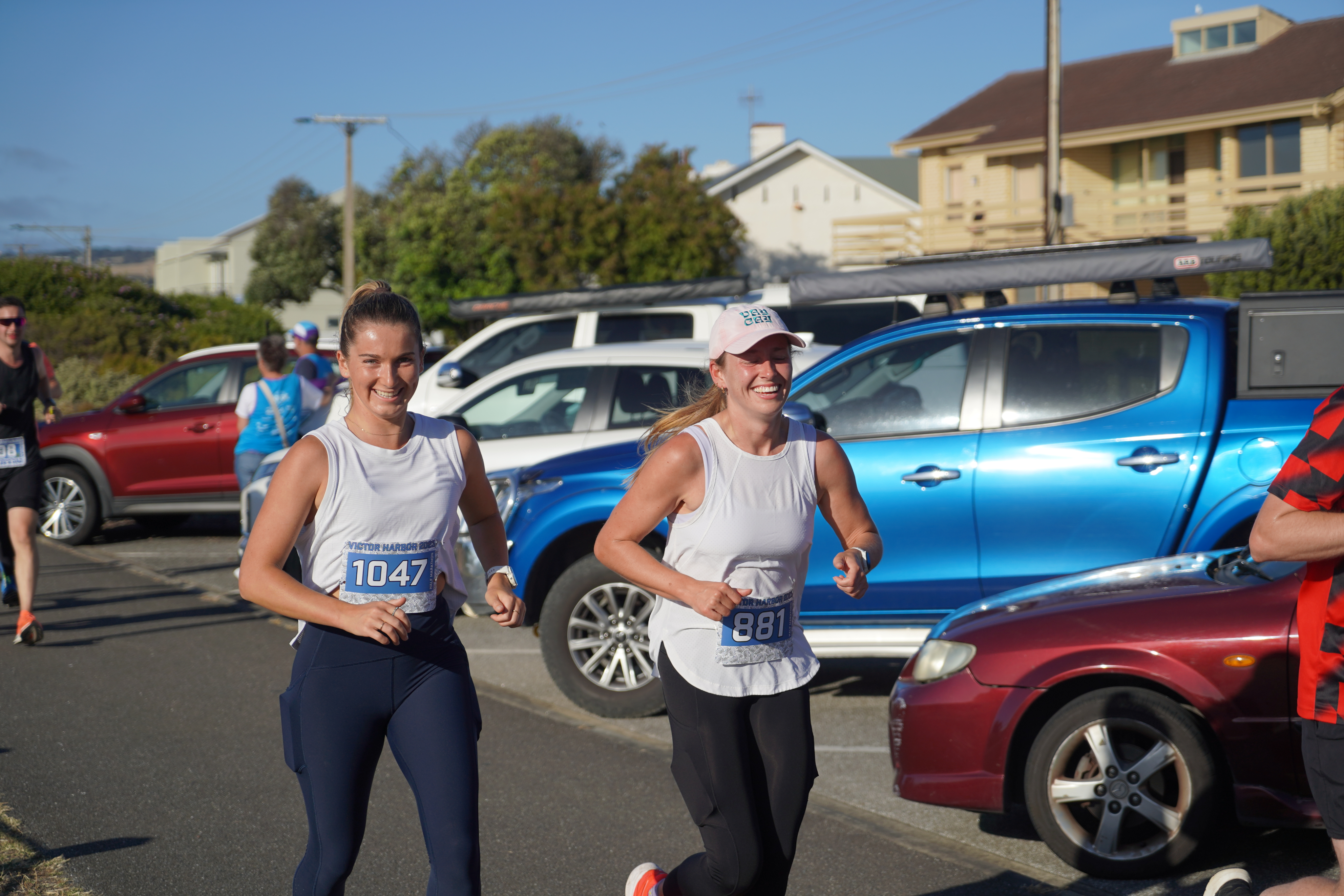
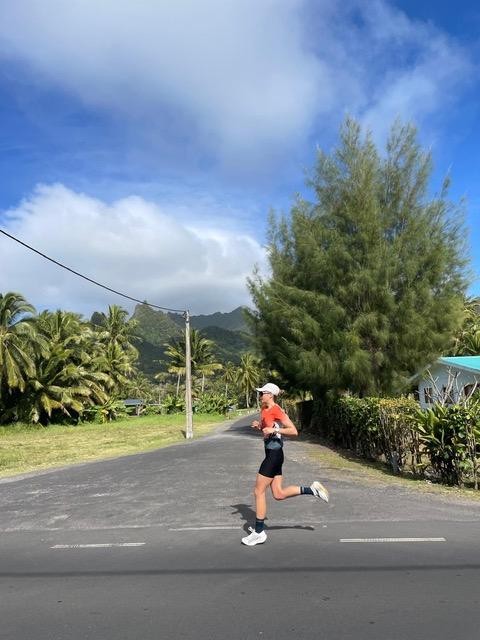
Trail runner Jemima Cooper swapped singletrack for tarmac at GC50. It was her first road race beyond a half marathon, and she had six scrappy weeks to prepare. She finished in 3:17:46 and ran a marathon PB along the way. She shares what she learned about carbon shoes, pacing, fuelling and staying switched on when there’s nowhere to hide.


It’s all running… except it’s really not.
Road seems like a completely different game.
No tree roots or rocks to negotiate, no technical descents to break up the rhythm, and no steep climbs to move into hiking whilst having a snack! Just a flat ribbon of asphalt, repetition after repetition, and a particularly unforgiving relationship with the clock.
Thanks to the team at RunDais, who kindly gifted me an entry to GC50, I decided to test what happens when an off-road engine is dropped onto the highway. It was my first road race beyond the half-marathon mark and, as it was a last-minute decision, prep was condensed into a scrappy six-week lead-in.
The results: a 3:17:46 finish time (2 mins off national record pace, after the wheels started to come off at the end), anchored by a PB marathon split of 2:42. I also got handed a 101 masterclass in running economy, respecting splits and the importance of mental focus.
For those of you who don’t feel the need to race this fast for this long, but want to know what this little experiment taught me, here are some of the takeaways:
I ran in the Brooks Hyperion Elite 6 and, believe it or not, this was my first time ever in a carbon-plated shoe! I am in LOVE. Carbon shoes on asphalt feel like strapping trampolines to your feet.
The biomechanical difference was also a surprise (I’d heard the marketing, but needed to see the data myself!). The stiff plate acts like a lever, the foam gives you free rebound, hips are driven forward and a much higher cadence locks in effortlessly. It gave my form a massive lift and made a dent in my sustainable top-end paces. It also saved my calves early on, and I had a noticeably quicker recovery from sessions in these than in my standard trainers. Call me late to the party, but these weapons are here to stay.
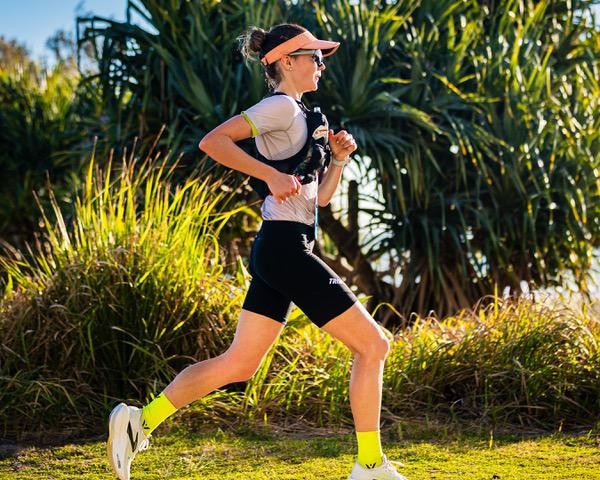
On trails, your pace is an abstract concept dictated by grade, surface, mud, wind, etc etc. On the road, there is nowhere to hide. During training and racing, I locked my watch display onto average pace rather than instantaneous pace. It felt a bit like riding an indoor bike trainer in ERG mode: keep up or you’re out. Let your cadence slip for ten seconds because you drifted off daydreaming about breakfast, and the decimal drops immediately. You realise very quickly that metabolic fatigue isn’t the only limiter. Mental attention is a finite fuel source, too.
With only six weeks to pivot, this block had four major long sessions (with intervals like 4 x 8km at race pace, or a 1hr tempo into 8 x 2km at race pace) alongside frequent short, sharp tune-ups at the end of runs (1 to 1.5hrs easy with 10 x 30 to 60 second spin-ups).
In hindsight, if I’d had a twelve-week runway, I’d have introduced far more work in the 4-to-6-minute threshold and VO2 max domain. These shorter, punchier blocks build the aerobic ceiling and fatigue resistance needed to make sub-threshold cruise speeds (ie marathon pace) feel flowy vs frantic.
Coaching wisdom preaches negative splits. But if I’m honest, when you are redlining on pavement for 50km, the final few kilometres are going to hurt like hell regardless of how conservatively you ran the first ten. My approach was to run as hard as possible for as long as possible to make a dent in the distance while the legs have pop, accept the impending suffering as a guarantee rather than a surprise, and hold on with both hands. I didn’t get it quite right, but who knows if I’d have been any quicker the other way around. It’s all experimentation for me right now, and this method forces you to confront the hurt head-on rather than tiptoeing into it, which is a skill I wish to hone.
I got sloppy and skipped a bottle in the first half. I felt fine in the moment… not so fine 10km later. At this level of sustained output, your metabolic costs are huge. You might think you’re saving seconds by skipping the crew, but you might be losing minutes later on. FUEL PROACTIVELY, NEVER REACTIVELY. Lesson well learned.
Curranz: I suffer from bad GI distress at pace, but I trialled New Zealand blackcurrant extract (Curranz) as an acute dose leading into the race (ie 3 to 4 capsules for the 3 days beforehand), and I’m happy to finally say it completely kept gut issues at bay! I definitely recommend it for those without a stomach of steel, and it’s worth exploring the positive effects of a longer-term dose of the little purple magic pills, too!
Patchie Nose Strips: A slightly rogue addition to the race kit, perhaps, but I needed all the oxygen I could get to survive this! I picked these up at the expo with an open mind, since the four other brands I’ve tried could never handle the sweat! These ones, though? Winner. You can spot them in my race photos, which shows they really did stay on for the long haul. Fan or not, nose strips help calm the breathing rate later on and, for me, definitely help lower perceived exertion a little.
I feel a whole new level got unlocked in this block, and it really surprised me just how much fun it was! I got a little taste… but now I’m thinking bigger. How cool would a “2:30-something” marathon PB be?! I will absolutely be back to chase it down next year.
For now, though, with fast, flatter trail ultras like UTMB Kosci on the horizon, this speed reserve has come at the perfect time. The new running economy will be a boost, helping that high-end cadence feel sustainable over rougher ground. Let’s see what happens next!
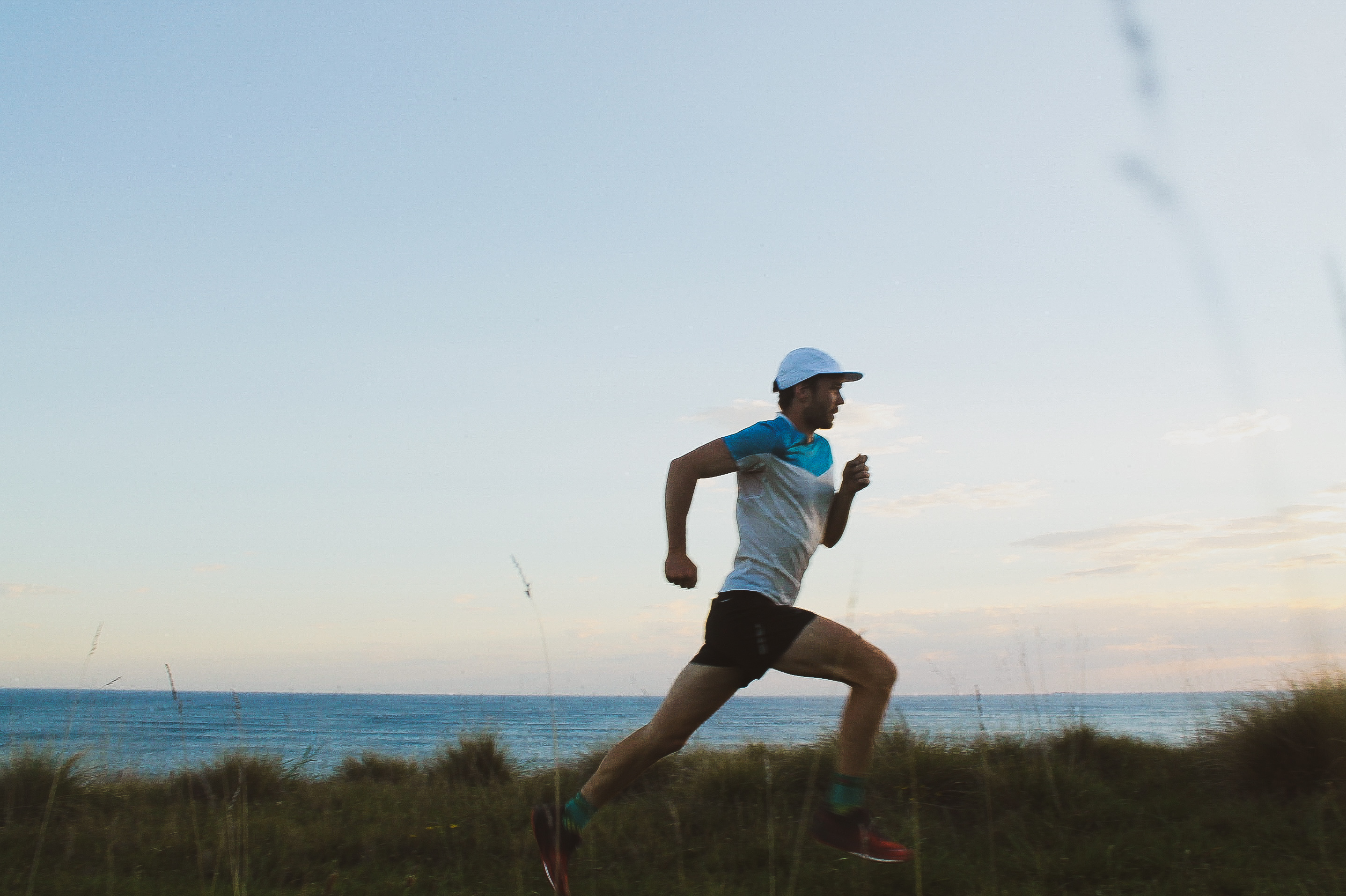
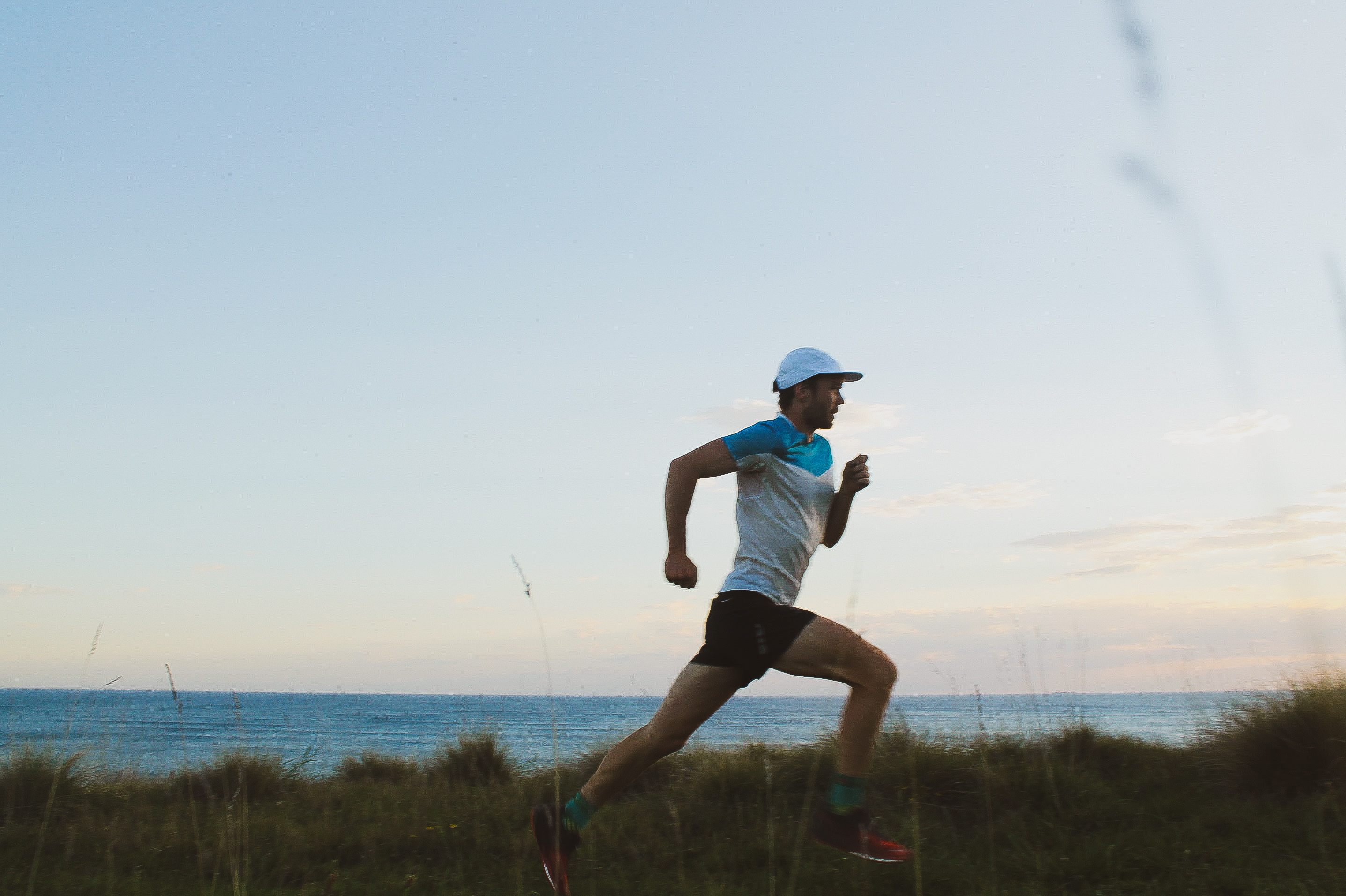
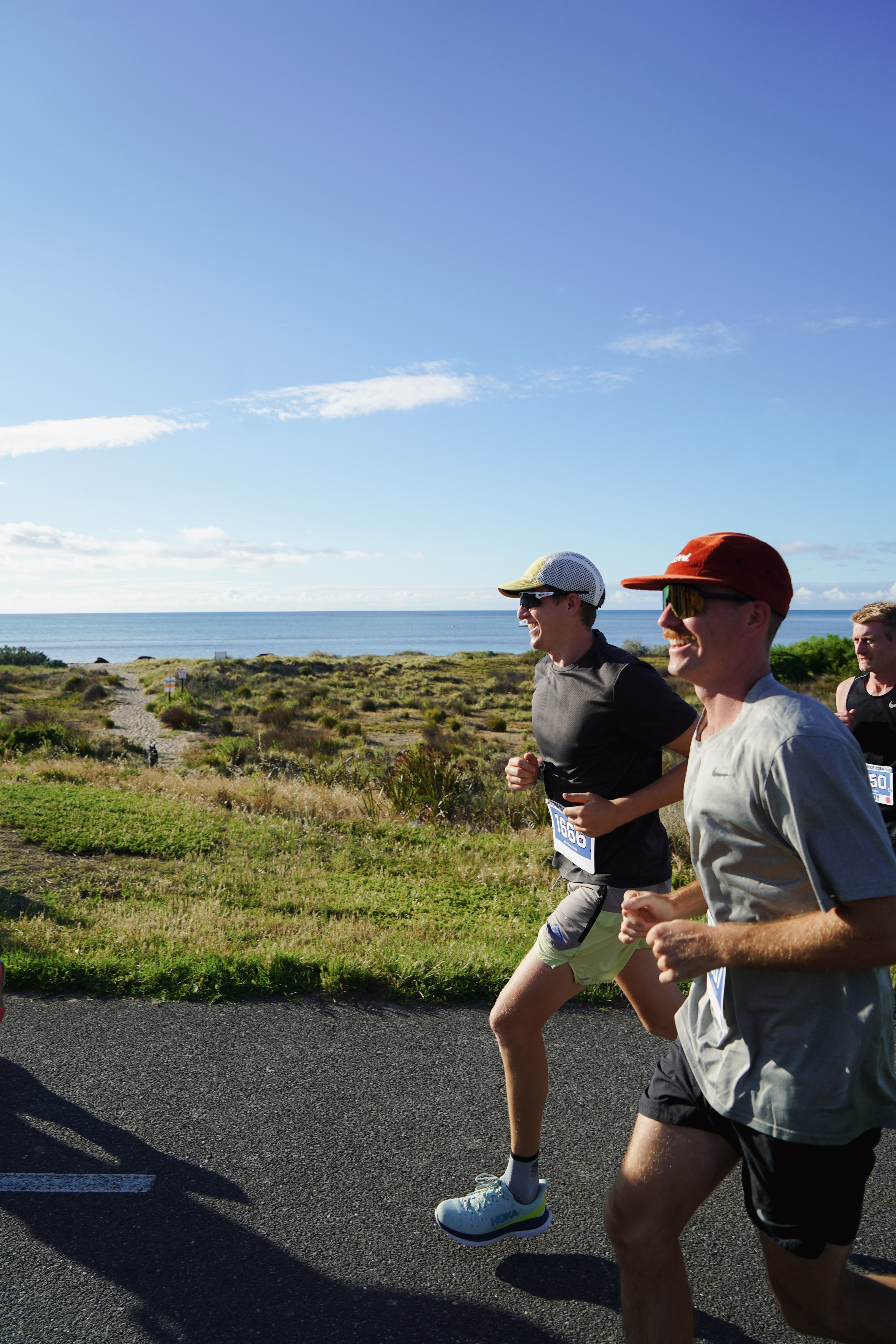
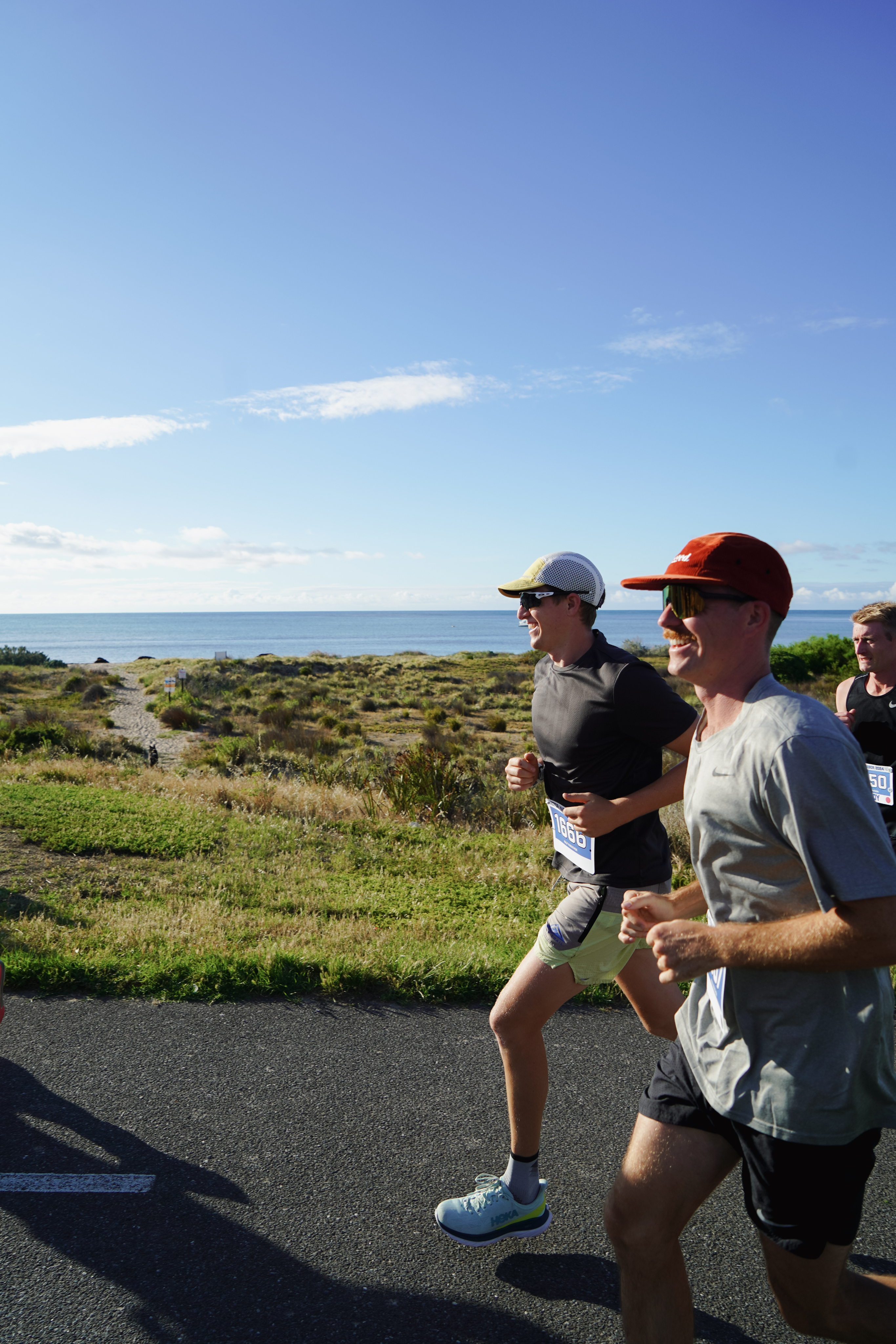
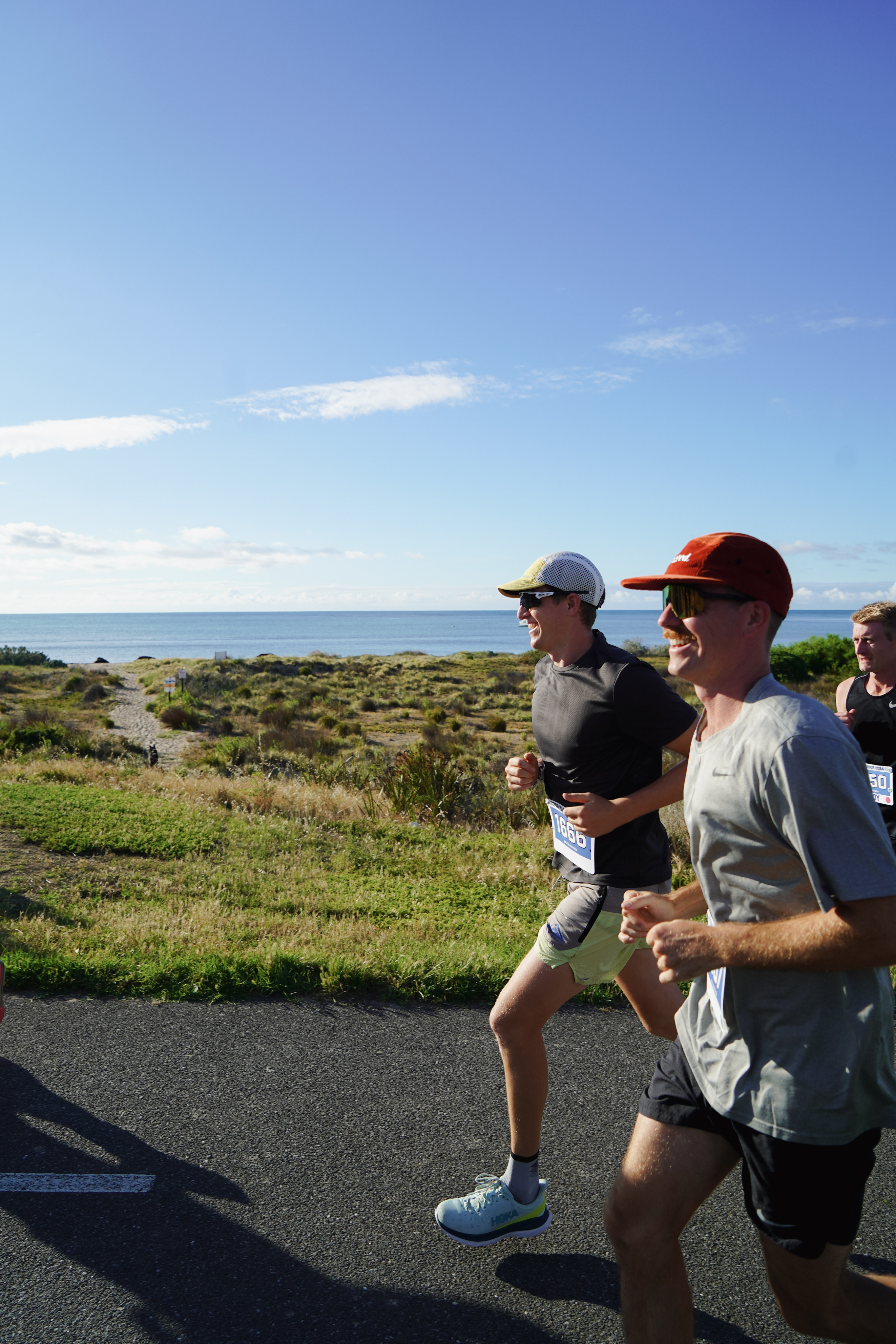
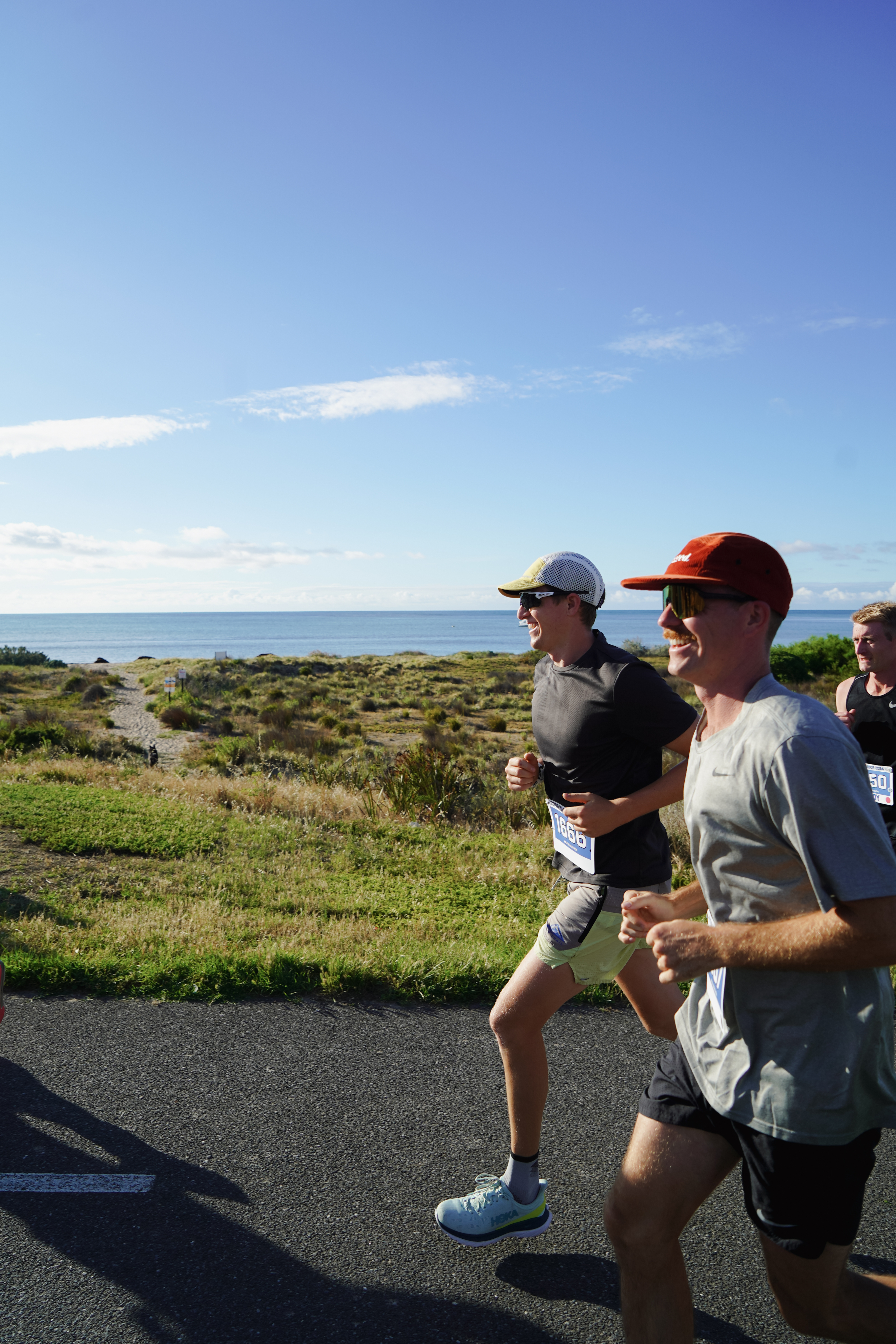
Featured image: @thesundaylongrun


Every event, every review, every club you love. Start your free RunDais account and keep it all in one spot.